Dry eye is often an oil gland problem
The meibomian glands are tiny oil glands inside your eyelids. They help keep your tears stable and prevent them from evaporating too quickly.
When these glands become blocked, inflamed, or damaged, the tear film breaks down between blinks. This can cause burning, watering, redness, irritation, and blurry vision that comes and goes.
This condition is called Meibomian Gland Dysfunction, or MGD.
Meibomian Gland Dysfunction Treatment in Charlottesville
Why the oil layer matters
Your tears need more than water to keep your eyes comfortable.
A healthy tear film depends on:
Water
Provides moisture to the surface of the eye.
Oil
Helps keep tears from evaporating too quickly.
Blinking
Spreads the tear film evenly and helps the oil glands release their oils.
When the meibomian glands are not working well, the oil layer becomes unstable. Your eyes may still make watery tears, but those tears evaporate too quickly. That is why MGD can cause dryness, burning, watering, redness, and fluctuating vision — even when your eyes do not feel “dry” all the time.
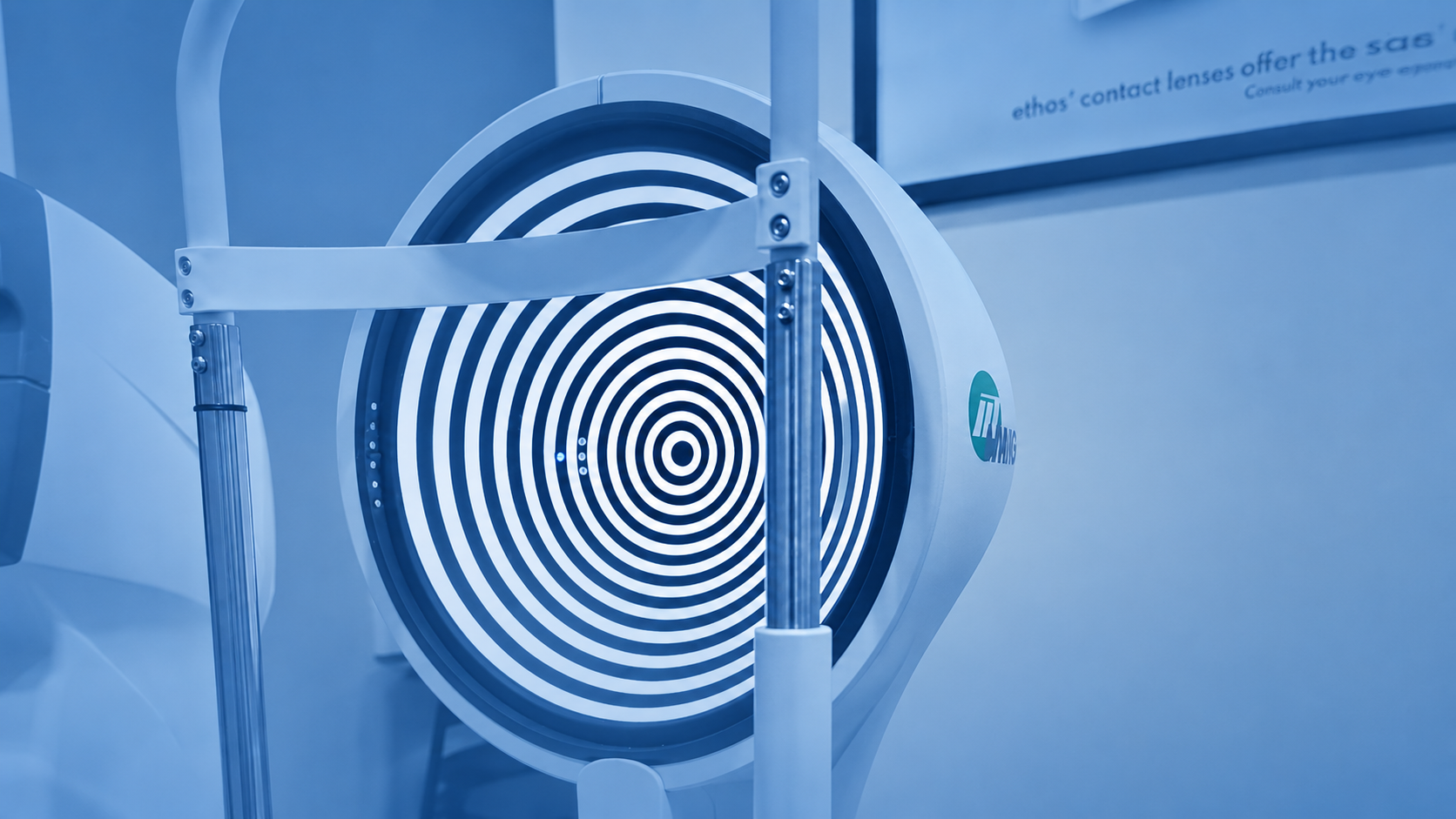
Non-invasive tear breakup testing helps us evaluate how stable the tear film is between blinks. In this video, the orange and red areas show where the tear film is degrading or breaking up too quickly. When the oil layer is unhealthy, the tear film may become unstable, contributing to burning, watering, irritation, and fluctuating vision.
What is meibomian gland dysfunction?
Meibomian gland dysfunction, or MGD, happens when the oil glands in the eyelids do not release healthy oil normally. Each eyelid has approximately 25–30 meibomian glands, or about 50–60 glands per eye, and these glands work together to maintain the tear film’s protective oil layer.
In a healthy tear film, the meibomian glands release a thin, clear oil each time you blink. With MGD, that oil can become thick, cloudy, waxy, or difficult to express. The gland openings may also become blocked or inflamed.
When the oil does not flow well, the tear film becomes unstable and evaporates too quickly. This can lead to dryness, burning, watering, redness, irritation, and blurry vision that comes and goes.
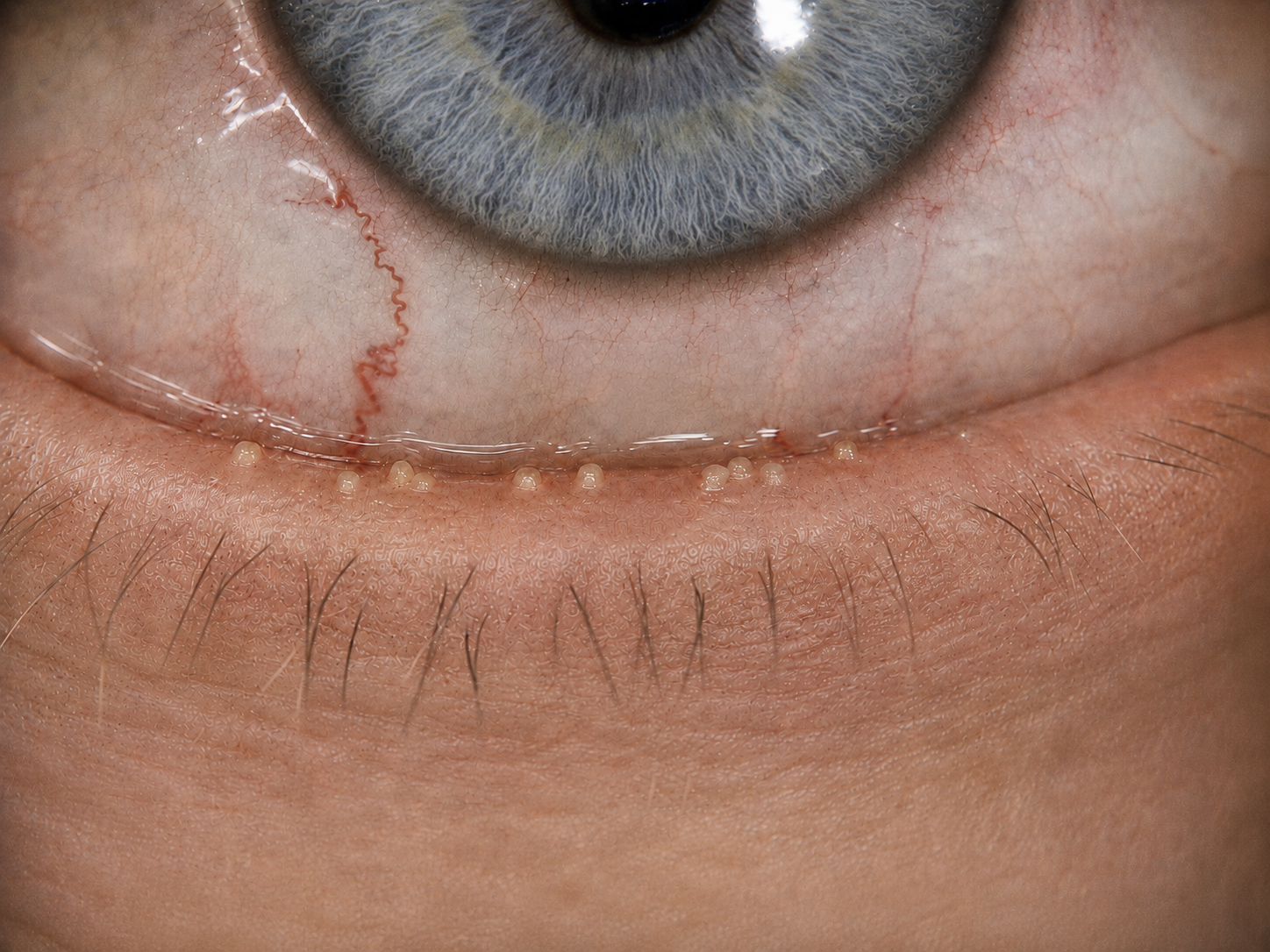
Thickened meibomian gland oil can become stagnant and waxy. After light and heat-based therapy, gentle gland expression helps clear this material so healthier oil can flow into the tear film.

Why are my eyes watering if they’re dry?
Watering is often the eye’s reflex response to irritation.
With MGD, the tear film may evaporate too quickly because the oil layer is unstable. The eye may make extra watery tears, but those tears do not always solve the underlying gland problem.
Common symptoms of MGD
Meibomian gland dysfunction can feel different from patient to patient. Some people feel dryness or burning, while others notice watering, redness, or vision that changes throughout the day.
-
Burning or stinging
Dryness
Gritty or sandy sensation
Heavy or irritated eyelids
Decreased contact lens wearing time
Eye fatigue with reading or computer use
-
Redness
Watery eyes
Crusting or sticky lids
Blurry vision that clears after blinking
Contact lens fogging or discomfort
-
With computer or phone use
While reading
In dry air, wind, fans, heat, or air conditioning
Late in the day
When wearing contact lenses
MGD can affect the gland structure over time
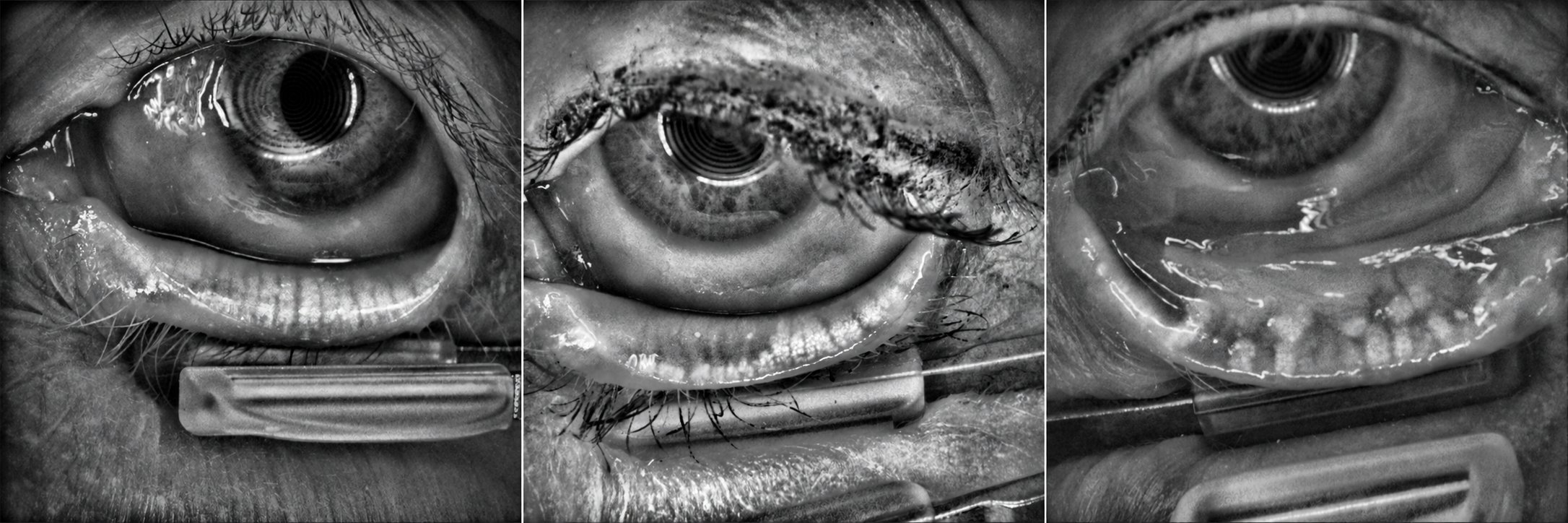
Meibomian gland dysfunction is not only about daily comfort. Over time, blocked or inflamed glands can begin to change structurally.
These meibography images show how meibomian gland dysfunction can progress. Healthy glands appear long and organized. With MGD, glands may become shortened, distorted, or lost over time, which can reduce healthy oil flow into the tear film.
Healthy meibomian glands usually appear long and organized. With MGD, the glands may become shortened, distorted, or partially lost. This is called gland atrophy or gland dropout.
Treatment cannot always restore glands that are fully lost, but it may help improve the function of glands that are still present. It may also help reduce ongoing inflammation and support healthier oil flow over time.
This is one reason we try to identify and treat MGD before gland damage becomes more advanced.
Why does MGD happen?
MGD usually does not come from one single cause. Most patients have a combination of gland blockage, inflammation, blink changes, and environmental stress affecting the tear film.
Age
Meibomian gland function can change over time. The oil may become thicker, and some gland structure can be lost with age.
Screen use
When we use computers, phones, and tablets, we tend to blink less often and less completely. Less blinking means less natural oil release from the glands.
Rosacea and inflammation
Ocular rosacea can affect the eyelids and oil glands, even when facial redness is mild. This can contribute to redness, irritation, and poor oil quality.
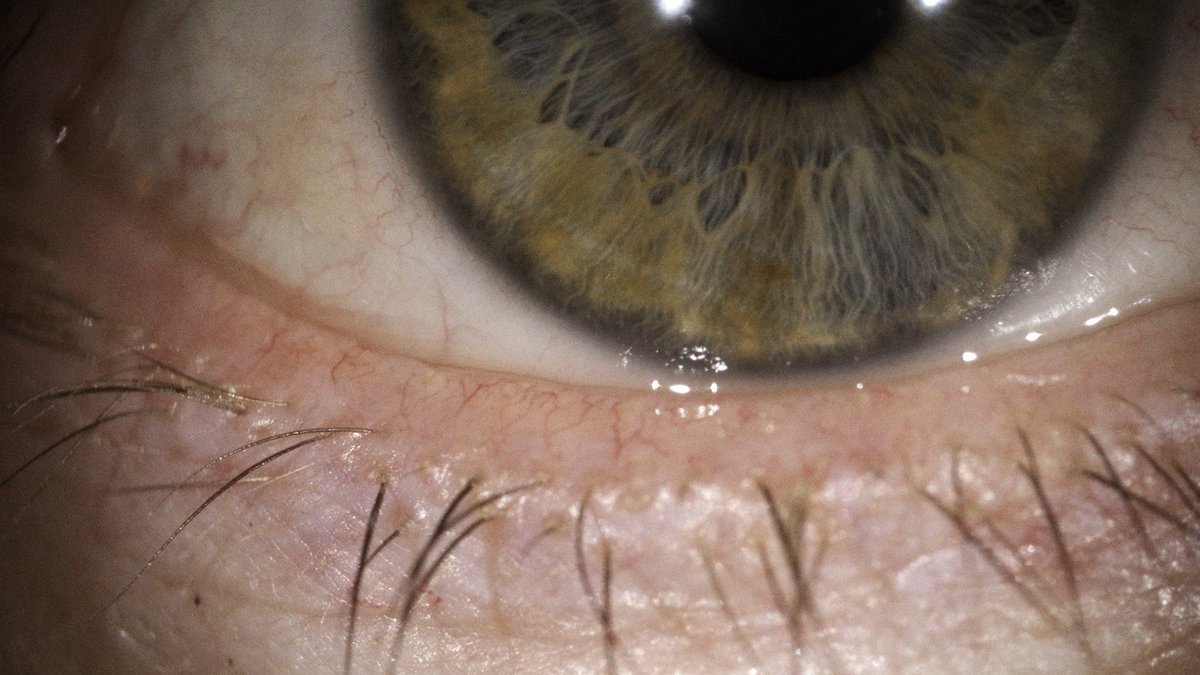
The tiny blood vessels along the eyelid margin are a common sign of ocular rosacea-related inflammation. This inflammation can affect the oil glands and contribute to meibomian gland dysfunction.
Contact lenses
Contact lenses can increase tear film stress and may make MGD symptoms more noticeable, especially dryness, irritation, or lens fogging.
Lid margin buildup
Bacteria, Demodex, oils, and makeup along the lashes can worsen eyelid inflammation and interfere with healthy gland function.
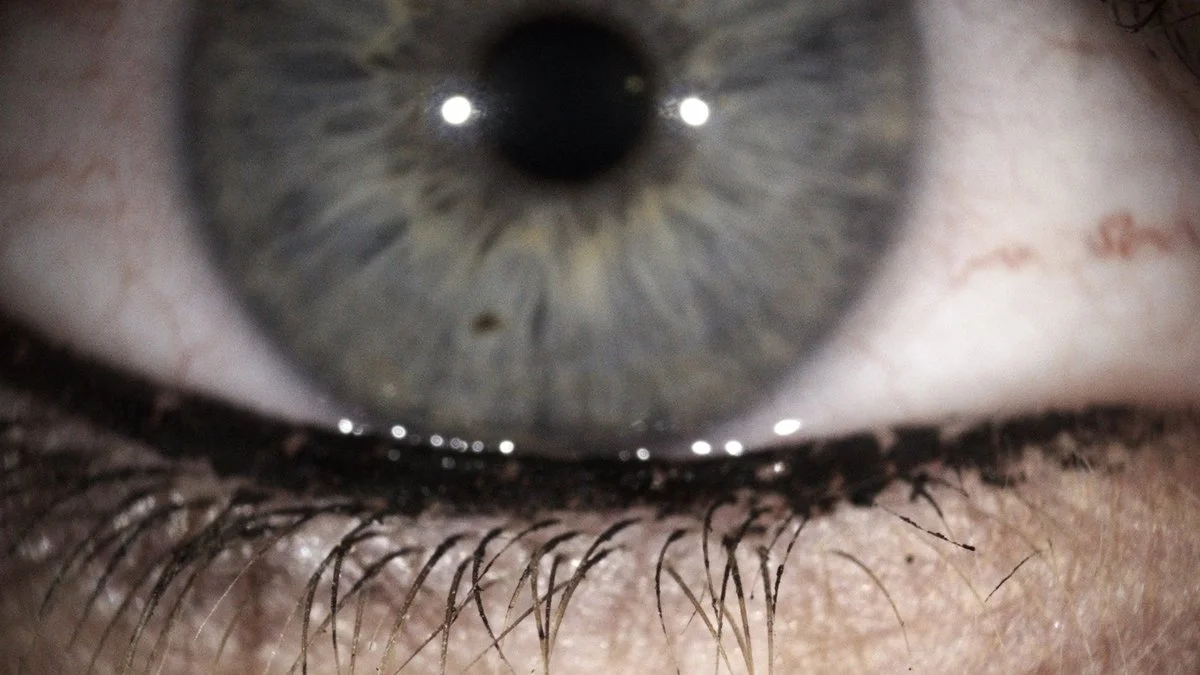
Makeup applied along the “water line” or used for “tight lining” can block the meibomian gland openings. Over time, this can interfere with healthy oil flow and contribute to inflammation and gland dysfunction.
Dry environments
Fans, heating, air conditioning, wind, and low humidity can increase tear evaporation and make symptoms worse.
How we evaluate MGD
A dry eye evaluation allows us to look more closely at the eyelids, tear film, and meibomian glands.
During the exam, we evaluate whether the gland openings are blocked and whether the oil is clear and flowing normally or thick, cloudy, oily, or waxy.
As part of this evaluation, we may gently palpate the eyelids to see how easily the glands release oil. This helps us determine whether the glands are flowing well, partially clogged, or producing thicker meibum that is not moving normally.
We also look for other factors that can contribute to MGD, including eyelid inflammation, rosacea-related changes, Demodex, tear film instability, and irritation on the surface of the eye.
Depending on your findings, testing may include:
Examination of the eyelid margins
Assessment of meibomian gland openings
Gentle gland palpation to evaluate oil flow and quality
Tear film stability testing
Ocular surface staining
Screening for blepharitis, Demodex, and ocular rosacea
Meibography imaging to evaluate gland structure
Meibography shows what symptoms cannot
Meibography allows us to look at the structure of the meibomian glands inside the eyelids.
This imaging can show whether the glands are healthy and organized, shortened, distorted, or showing signs of dropout. It helps us understand how advanced the MGD is and what type of treatment plan makes the most sense.
Oil quality matters
Healthy meibomian oil should flow relatively easily. With MGD, the glands may release very little oil, or the oil may appear thick, cloudy, oily, or waxy. Evaluating the quality of the oil helps guide treatment.

Drops can help, but they may not fix the gland problem
Artificial tears may provide temporary relief, but MGD usually starts with poor oil flow from the eyelid glands. If the oil layer is unstable, tears can still evaporate too quickly.
Treating MGD means looking beyond moisture and addressing the glands that help stabilize the tear film.
Treatment depends on what your glands need
MGD treatment is individualized. Some patients need a simple home-care and maintenance routine. Others need in-office treatment to help improve oil flow, reduce inflammation, and support long-term gland function.
The right plan depends on what we find during your dry eye evaluation, including how well the glands are flowing, whether the oil is clear or thick and waxy, and whether inflammation or rosacea is present.
Treatment may focus on one or more of the following goals:
Improve oil flow
When the oil inside the glands becomes thick or waxy, it may not release normally with blinking. Treatment may focus on softening the oil and helping it move more freely.
Reduce inflammation
MGD often overlaps with eyelid inflammation, blepharitis, and ocular rosacea. Reducing inflammation can help calm the eyelids and improve tear film stability.
Support long-term gland function
Treatment is not only about short-term comfort. It is also about supporting the glands that are still functioning and reducing the risk of further decline.
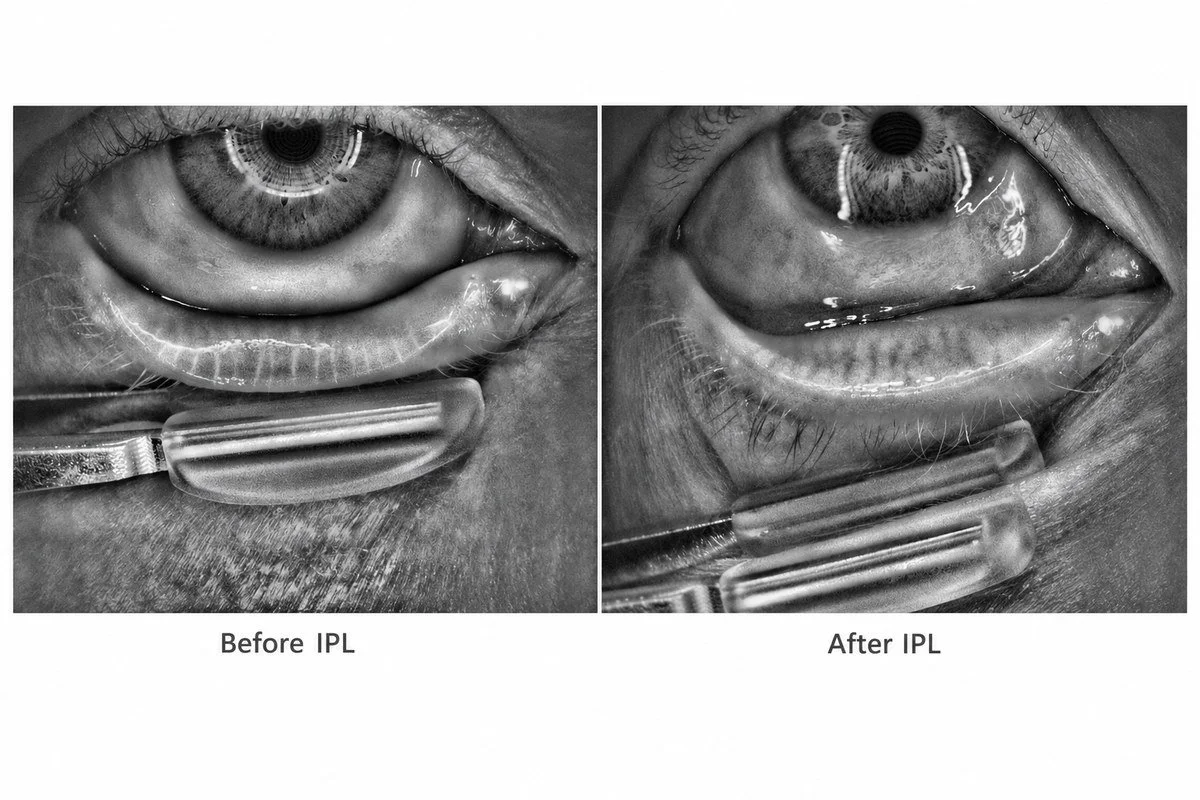
Meibography helps us evaluate gland structure and oil flow patterns over time. This comparison shows improvement in the appearance of a previously blocked central meibomian gland channel following IPL treatment.
MGD is one of the most common causes of dry eye. You can also learn more about our broader approach to Dry Eye Treatment in Charlottesville.
Once we understand what is driving the MGD, treatment can be directed toward the specific problem — blocked glands, poor oil quality, inflammation, or long-term gland support.
Some patients need one main treatment approach. Others do best with a combination of home care, in-office treatment, and prescription therapy depending on how the glands look and how well the oil is flowing.
-
Warm compresses, lid hygiene, hypochlorous acid spray, artificial tears, and blinking exercises may help support the glands and reduce lid margin inflammation.
The challenge is that home care only works when it is done consistently, and many patients understandably struggle to keep up with daily warm compresses and lid hygiene over time.
Home care can be a good starting point and may remain part of maintenance, but it may not be enough when the glands are significantly blocked or the oil has become thick, stagnant, or waxy.
-
During treatment, we may gently express the meibomian glands to help clear thickened oil and improve oil flow.
Expression can be an important part of treatment because it directly addresses blocked or stagnant oil inside the glands. This is different from the gentle gland palpation we may use during evaluation to check whether the glands are flowing normally.
-
Some patients benefit from prescription drops, short-term anti-inflammatory therapy, antibiotics, or other medical treatment depending on the level of inflammation, eyelid disease, and ocular surface findings.
-
Intense pulsed light, or IPL, uses carefully controlled pulses of light applied to the skin around the eyelids and face.
IPL can be helpful for patients with MGD, ocular rosacea, lid margin inflammation, and abnormal blood vessels contributing to dry eye.
IPL is usually performed as part of a treatment series rather than a single visit.
-
Radiofrequency, or RF, uses controlled warming to heat the eyelid and surrounding tissue.
This can help soften thickened meibum and support better gland expression. RF may be used alone or in combination with other treatments depending on your findings.
-
Low-level light therapy, or LLLT, uses light-based treatment to support the eyelids and ocular surface.
It is often comfortable and may be used as part of a combined dry eye treatment plan.
Many patients do best with a customized combination approach.
Because MGD can involve blocked glands, poor oil quality, inflammation, rosacea, and gland dropout, treatment is often tailored to what your glands need rather than one-size-fits-all.

A realistic plan for long-term gland health
MGD is usually managed rather than permanently cured.
Our goal is to improve oil flow, reduce inflammation, support the glands that are still functioning, and create a maintenance plan that is realistic for your daily life.
For some patients, that means home care and monitoring. For others, it may include periodic in-office treatment to help keep the glands flowing and reduce the risk of symptoms returning.
Your Questions, Answered
-
MGD is one of the most common causes of dry eye. More specifically, it often causes evaporative dry eye, where the tears evaporate too quickly because the oil layer is not healthy.
-
When the tear film is unstable, the surface of the eye becomes irritated. The eye may respond by making extra watery tears, but those tears often do not fix the underlying oil-layer problem.
-
Blocked glands may function better with treatment, but glands that are fully atrophied or lost may not return to normal. This is why identifying and treating MGD earlier can be important.
-
Warm compresses can help some patients, especially when used consistently. The challenge is that many people struggle to keep up with daily home care, and compresses may not be enough when the glands are significantly blocked or the oil has become thick and waxy.
-
Most MGD treatments are well tolerated. Some patients feel warmth, pressure, or mild tenderness during gland expression, but treatment is designed to be comfortable and manageable.
-
That depends on your exam findings. Some patients only need home care and monitoring. Others benefit from a series of in-office treatments followed by maintenance care.
-
Possibly. Artificial tears can still be helpful, but the goal is to improve tear film quality by addressing the gland problem, not simply adding moisture.
-
MGD is usually managed rather than permanently cured. The goal is to improve oil flow, reduce inflammation, support the glands that are still working, and create a realistic maintenance plan.
Schedule Your Dry Eye Evaluation in Charlottesville
If your eyes feel dry, irritated, watery, red, or tired, meibomian gland dysfunction may be part of the problem.